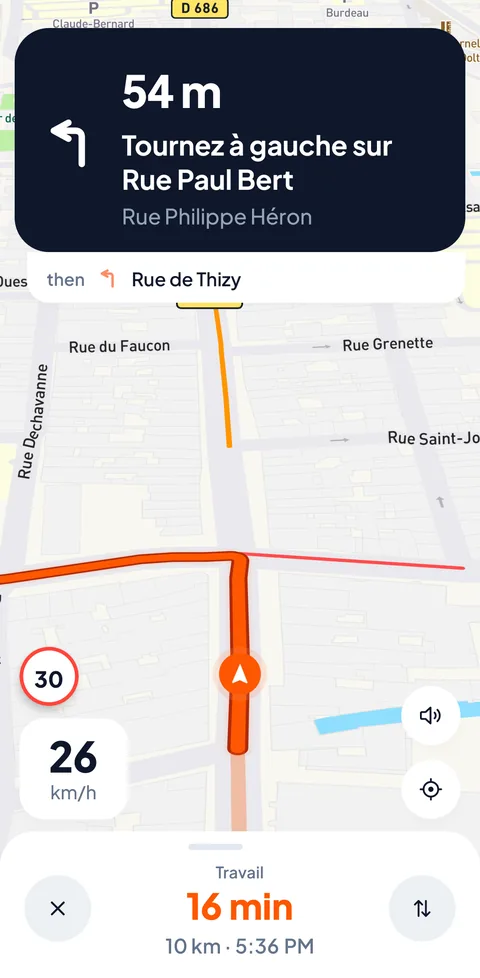
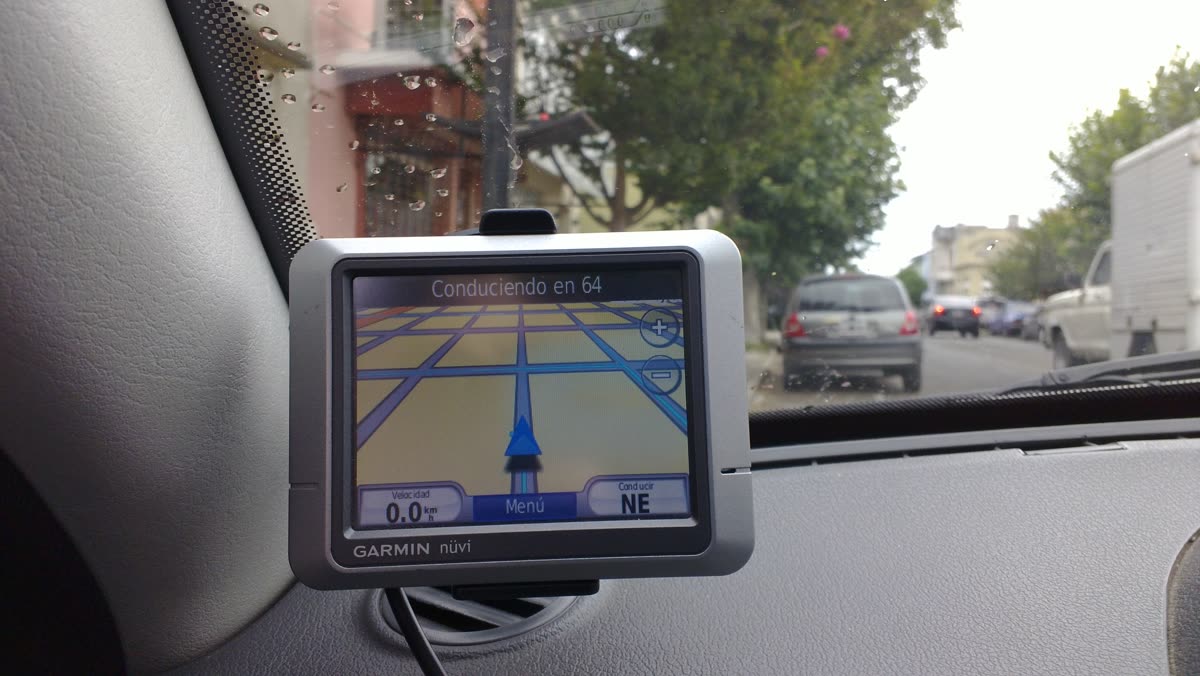
You have just taken delivery of your license-free car and you look at the cabin: a minimalist dashboard, little or no screen, and sometimes a car radio from another era. The good news is that there are useful accessories to improve your comfort and safety, provided you know which ones are legal and which ones will get your vehicle impounded.
What the law says about modifying a license-free car
Before buying anything, a reminder of the framework. License-free cars (light motorised quadricycles, category L6e) are regulated by European Regulation (EU) No 168/2013 and subject to strict type approval. Any technical modification that alters the type-approval characteristics, in particular the maximum speed, the lighting, or the power, is illegal and can lead to:
- Invalidation of your insurance in the event of an accident
- Impounding of the vehicle during a check
- A 4th-class fine (135 EUR) for non-compliance
The basic rule: you can add accessories that do not change the vehicle’s technical characteristics or its type approval.
Legal and recommended accessories
Phone or GPS mount
This is the number one accessory for license-free car drivers. Most current models (Microcar, Ligier, Aixam, Chatenet) do not include capable GPS navigation, or offer basic systems with no regular updates and no license-free car profile.
A mount fixed to the windscreen or dashboard lets you use your phone as a GPS. It must be:
- Stable and well fixed: a phone that falls while driving is a distraction, not a help
- Positioned in your field of view without blocking it: bottom left of the windscreen or on the steering column, not in the centre
- Compatible with the mounting: some license-free cars have curved dashboards that need suitable mounts (a reinforced suction cup or a vent-grille mount)
What standard GPS apps do not do for you: Google Maps and Waze do not filter roads forbidden to license-free cars. They will send you onto an expressway or a ring road without the slightest warning. This is exactly the problem TacTac solves.
Interior sun protection
The sun visor of a license-free car is often inadequate, and the small windows concentrate the heat in an already cramped cabin. Suction-cup sun shades for the side windows (like those used for children’s cars) are legal, removable, and very effective. They change nothing on the vehicle and do not impair visibility if correctly positioned.
Reversing camera
Some license-free car models do not have a reversing camera as standard, and the door mirrors offer limited visibility. Fitting an aftermarket reversing camera is legal provided you:
- Do not need to modify the original wiring (there are wireless models powered by the cigarette lighter)
- Display on an add-on screen (a fixed tablet, not integration into the existing dashboard that would alter the type approval)
Budget 30 to 80 EUR for a decent-quality wireless camera.
Organisers and storage
The interior of a license-free car is compact. Centre-console organisers, seat-back storage nets, or small magnetic dashboard trays are all legal and can make a real difference day to day.
Recommended safety equipment (not mandatory)
For standard cars, the reflective vest and warning triangle are mandatory on board. For license-free cars, the rules are vaguer; technically they are not mandatory in the cabin.
In practice, if you break down on the side of a road, whether in a license-free car or a saloon, the procedure is the same: you will get out of the vehicle, switch on your hazard lights, and need to make yourself visible. Not having this equipment can make a dangerous situation worse.
Recommended on board your license-free car:
- High-visibility vest (EN 471 standard), under 5 EUR, slips behind the seat
- Folding warning triangle, compact models available for 15 to 20 EUR
- A small extinguisher (1 kg, ABC powder), in case of a fire in the cabin or the engine
- Jumper cables or an external jump-start battery: license-free cars often have small batteries that drain easily
What is forbidden or strongly discouraged
Engine modification
Any modification aimed at exceeding the regulatory 45 km/h is illegal and invalidates the insurance. “Derestriction kits” circulate on specialised forums; using them exposes you to criminal penalties and to driving a non-type-approved vehicle.
Non-approved additional lights
Adding LED bars, auxiliary headlights, or any lighting that modifies the original light system is forbidden. License-free car lights are calibrated for their speed and size. An additional light can dazzle other road users or interfere with driver-assistance systems.
Tinted windows
Adding tint film to windows is subject to regulation (Decree No 2016-448). Light transmission must remain above 70% on the windscreen and front windows. Some films sold online go well beyond this limit; check the specifications before buying.
Oversized tablet mounts
A mount fixing a 10-inch tablet in the centre of the windscreen blocks forward visibility and is an offence. If you want to use a large tablet as a GPS, fix it at the bottom of the dashboard or on the centre console, not in front of your eyes.
The GPS question: choosing the right solution
This is often the first need of license-free car drivers: reliable navigation. The options available in 2026:
- Built-in manufacturer GPS: often limited, no updates, no license-free car profile
- Dedicated portable GPS (Garmin, TomTom): fast-road filtering possible, but no native L6e profile, manual updates
- Phone with a consumer app (Google Maps, Waze): no license-free car filtering, sends you onto forbidden roads
- TacTac: the only solution designed natively for license-free cars, with automatic filtering of forbidden roads and a 45 km/h speed profile
Join the TacTac waitlist to access license-free car navigation from launch.