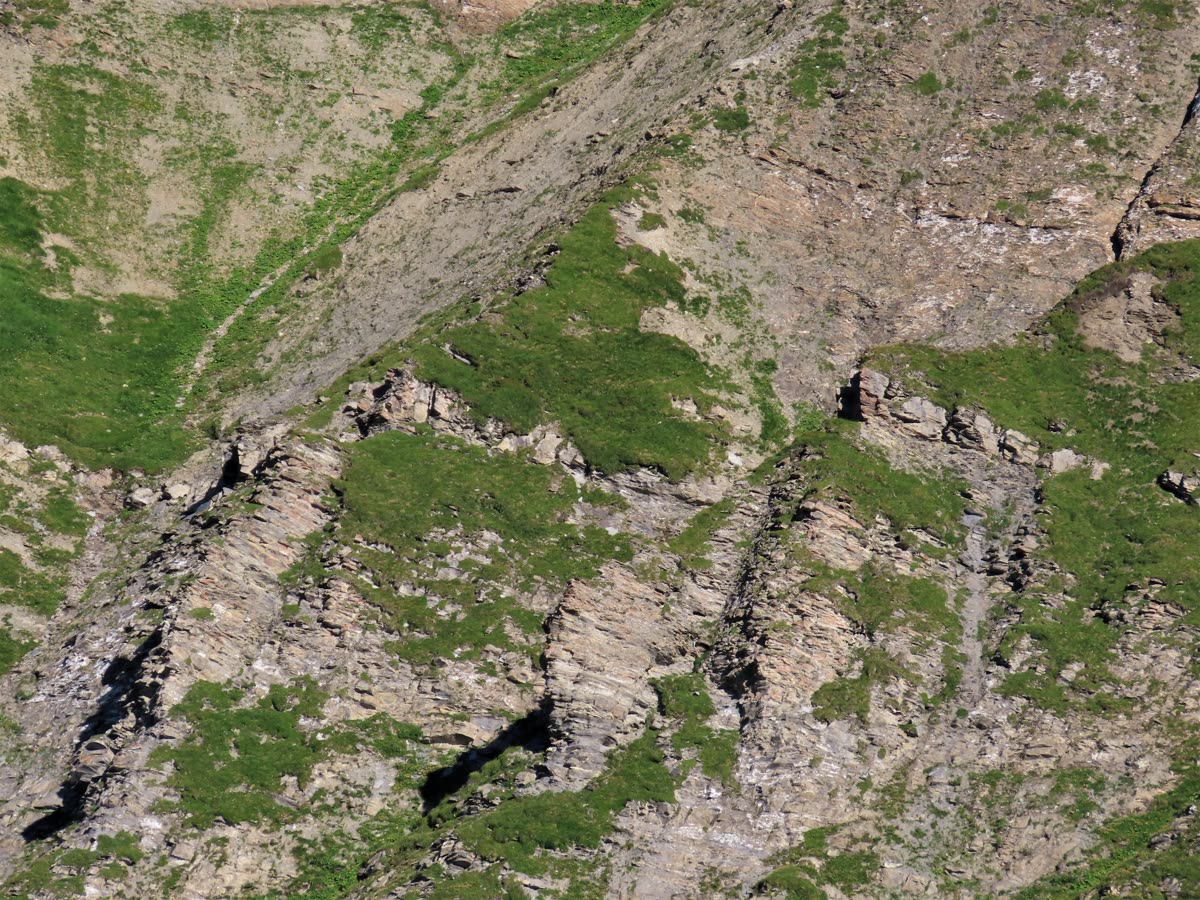
You live in an Alpine valley, you have an appointment in a mountain village, or you want to reach a ski resort for the weekend. Can your license-free car handle roads with steep gradients? The short answer: yes, within certain limits, but those limits need to be understood before you leave, not halfway down a hill with your brakes overheating.
What Mountains Demand From Your License-Free Car
A license-free car is a light vehicle, generally between 400 and 550 kg unladen, with a small petrol or electric engine (500 cc diesel or equivalent petrol). This architecture, perfectly suited to urban and peri-urban journeys, faces specific challenges at altitude.
The Power Problem on Climbs
License-free cars reach a maximum of 4 kW (5.4 hp) under L6e regulations. On flat ground, this is enough to reach and hold 45 km/h. On a climb, the picture changes.
On an 8-10 percent gradient (a typical mountain road), a license-free car loses speed. You may be doing 25-30 km/h instead of 45. This is perfectly legal, there is no minimum speed requirement on a secondary road, but it needs to be factored into your planning.
On a gradient of 15 percent or more, some models stall completely or crawl. Before any mountain trip, check your model’s technical specifications: the ability to climb gradients (expressed as a percentage) is a type-approval datum available in the owner’s manual or from the dealer.
Practical tip: if your route includes a long, steep climb, plan rest stops, not for the engine (which can handle the climb) but to give yourself time to check that the vehicle is not overheating (see below).
Engine Overheating: The Main Risk
Most petrol license-free cars have an air-cooled engine (rather than the water-cooled engines found in standard cars). This cooling system works well at normal speed but is put under severe strain during a prolonged climb: the engine runs at full revs for 10, 20, or 30 minutes, with little airflow.
Warning signs:
- Engine temperature warning light (red) comes on
- Gradual loss of power
- Smell of heat or hot plastic
What to do: pull over, switch off the engine, and let it cool for 15-20 minutes before continuing. Do not pour cold water on a hot engine. Check oil level regularly before any mountain trip; an air-cooled engine uses more oil than a water-cooled equivalent.
Electric license-free cars are less prone to this problem, but their range is significantly reduced on climbs, so plan your charging accordingly.
The Descent: Brakes and Driving
On descents, the risk is the opposite: brakes overheat, grip must be managed, and speed must be kept under control.
Engine braking: on a long descent, use engine braking (downshift, or in an automatic gearbox, maintain light brake pressure to avoid reaching 45 km/h). Avoid sustained braking; the pads and discs on a license-free car are sized for flat use, not for repeated mountain descents.
Tip: descend slowly. Travelling at 25-30 km/h on a winding descent is sensible and gives you time to react to tight bends.
The Mountain Law: Winter Tyres Compulsory
Since decree no. 2020-1276, the Mountain Law requires vehicles to carry winter tyres (or chains/snow socks) in 48 French departments during the period from 1 November to 31 March. License-free cars are subject to the same rules as standard cars.
Affected Departments
All Alpine, Pyrenean, Massif Central, Vosges, and Jura departments are included. The full list is available on the Ministry of the Interior website. In practice: if you are crossing a signposted mountain pass marked with the “mountain” panel (M), you are in a compulsory-equipment zone.
What “Winter Tyres” Means
Compliant tyres bear one of the following markings on the sidewall:
- 3PMSF (three-peak mountain snowflake symbol), the only standard accepted since the 2024-2025 season. The M+S marking alone is no longer sufficient.
Standard summer tyres are not accepted.
Fine for non-compliance: 135 euros. In the event of an accident on a snowy road with unsuitable tyres, your insurer may reduce or refuse to pay out for the damage.
Chains and Snow Socks
An alternative to winter tyres is to carry chains or snow socks. On a license-free car, check compatibility with your tyre size (usually 135/70 R13 or 145/70 R13); standard car chains do not always fit. Do a practice fit before you leave: installing chains for the first time at the roadside in the snow is not a pleasant experience.
Mountain Passes to Avoid Entirely
Some passes, even in summer, are not suited to a license-free car:
- Passes with heavy traffic: passes heavily used by campervans and motorbikes (Galibier, Iseran, Croix de Fer), where the danger comes not from the gradient but from traffic and high-speed overtaking manoeuvres
- Passes with tight bends at 12 percent or more over several kilometres: the braking systems of license-free cars are not designed for this
- Roads with no crash barriers or hard shoulder: a breakdown or overheating in these conditions is very difficult to manage
Accessible Alternatives
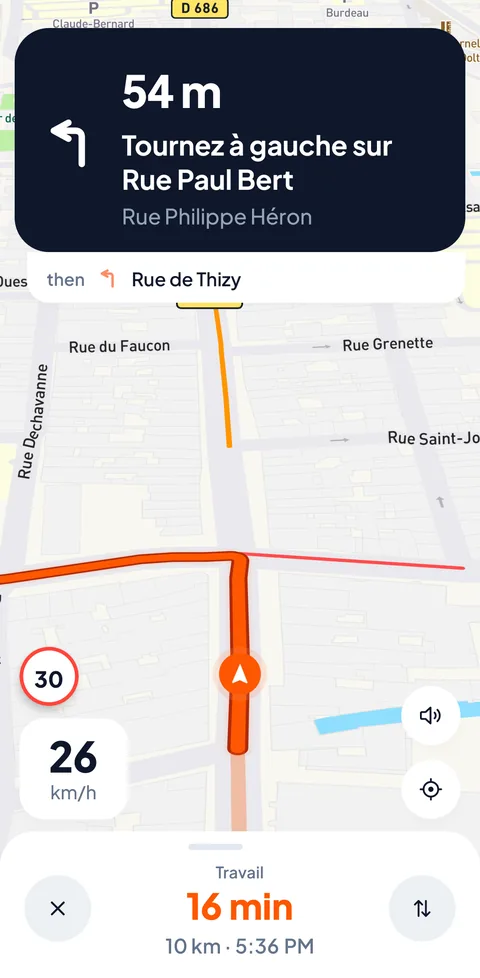
Roads with gradients below 8 percent, well maintained, with regular lay-bys for resting, are perfectly manageable. Many ski resorts are accessible from the valley on roads that stay within these limits; a license-free car GPS such as TacTac can identify these routes.
Practical Example: Going Skiing by License-Free Car
This is a question many people ask. Can you reach a ski resort in a license-free car?
Yes, if:
- The resort is accessible by a road with a moderate gradient (under 10 percent)
- You have winter tyres or chains
- You allow plenty of time and are not in a rush
No, or not recommended, if:
- The access road goes over a high-gradient pass
- There is ice or unpacked snow (license-free cars have low ground clearance)
- Temperatures are below zero and your license-free car is petrol-powered (cold starts become difficult below minus 5 degrees C on some models)
Before any winter mountain trip, check road conditions on Bison Fute or the winter road maintenance sites of the relevant departments.
TacTac incorporates license-free car data into its route calculations, including identifying roads suited to your vehicle’s profile. Whether you are driving on flat roads or in the mountains, route suggestions automatically exclude ways incompatible with a license-free car.
Join the TacTac waiting list and navigate with confidence, even at altitude.